Filed under sustainability.
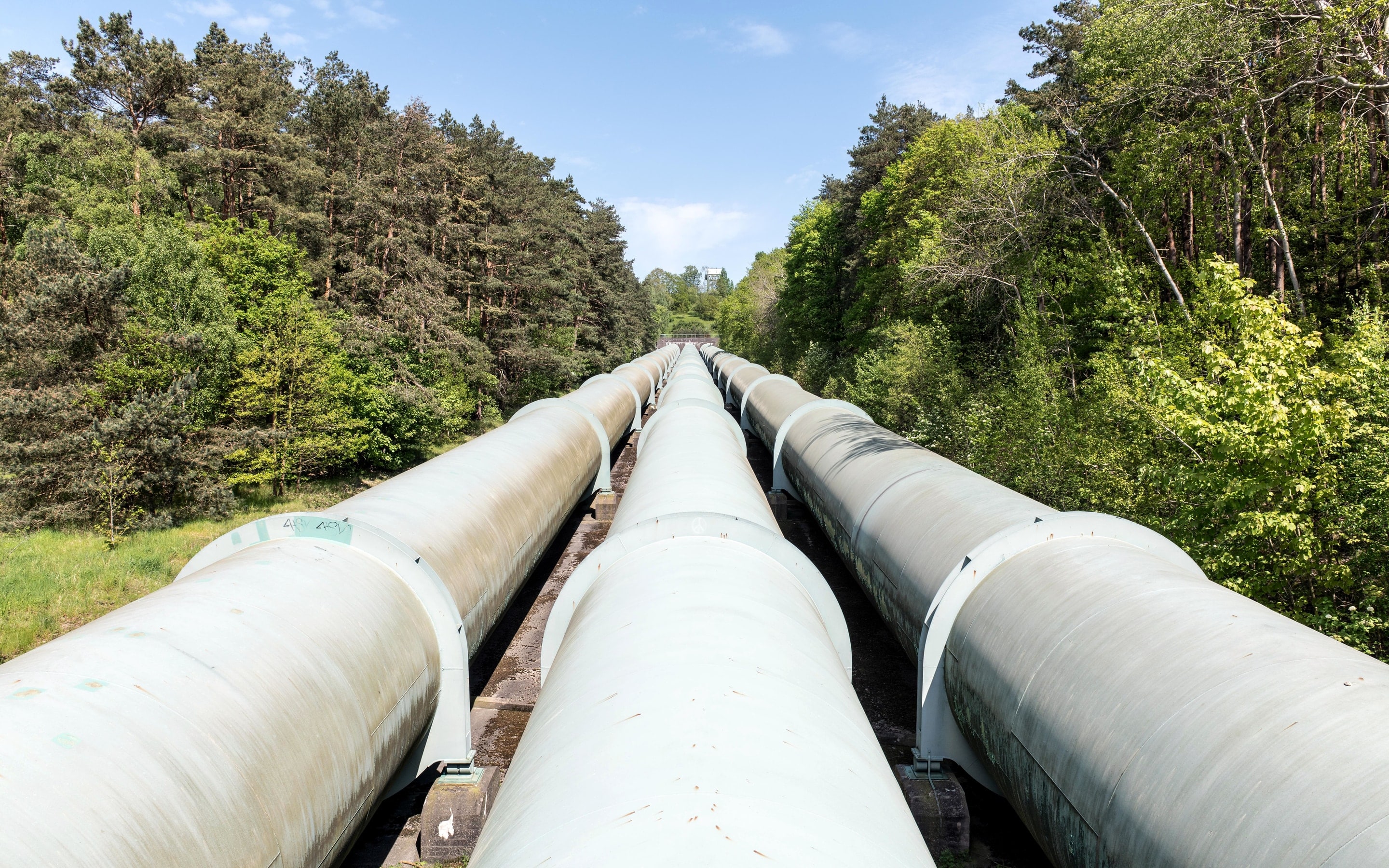
Recovering heat from a data center and delivering it into a municipal network is not technically difficult. With a heat pump the recovered heat lifts to the 70 to 90 degrees Celsius a district network wants, and the volumes are serious: a large data center produces more heat in a year than a small northern town consumes. Temperature lift, pipe runs and heat exchange are all well understood, and northern Swedish networks are already built to accept variable inputs.
The obstacle is commercial sequencing. The network operator will not commit capital to an interface until the data center is certain, and the data center will not size for heat recovery until the offtake is certain. Both parties are behaving rationally and nothing happens.
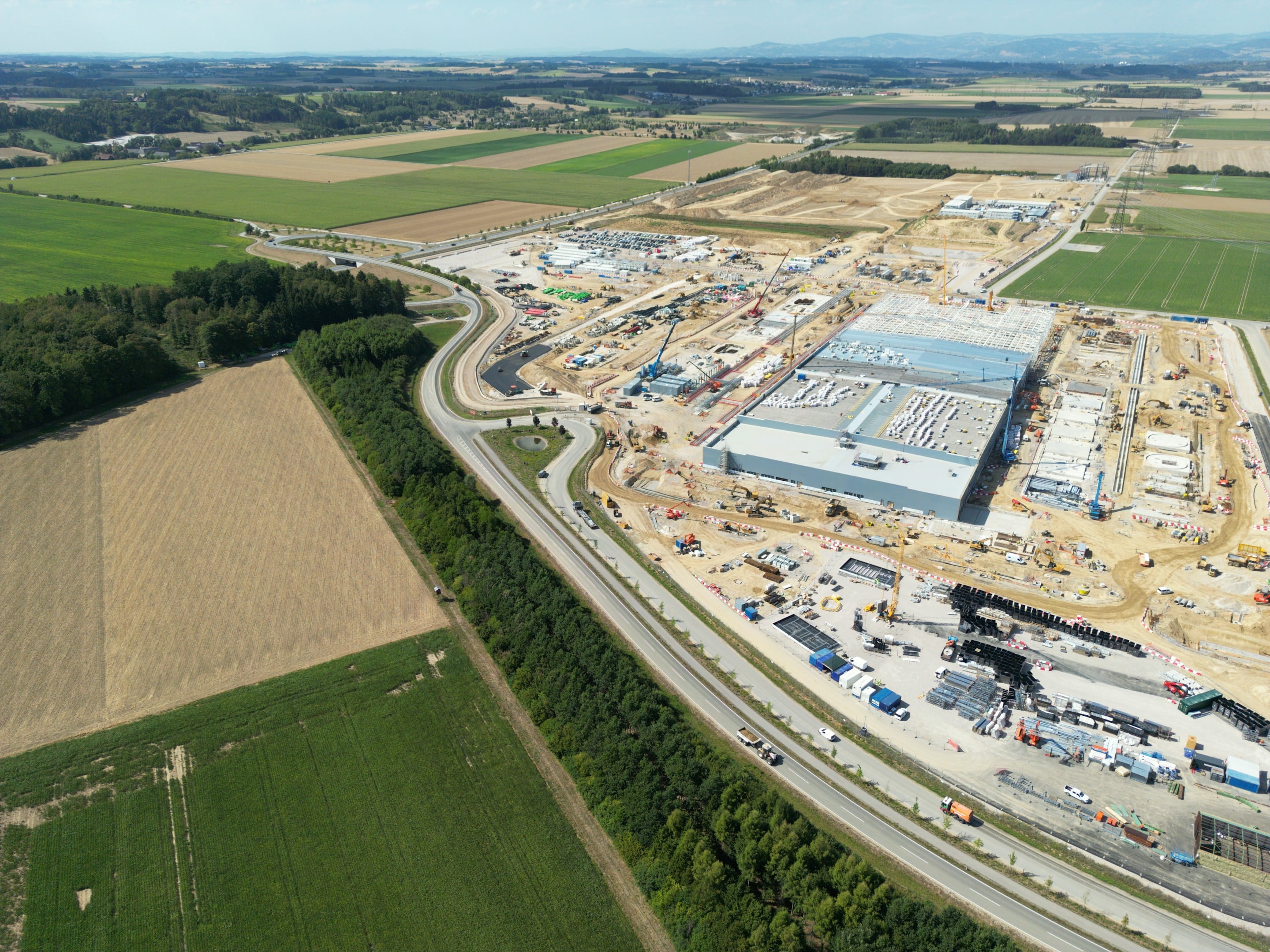
Site development is the natural place to break that deadlock, because the developer is present years before either party has to commit. Designing the interface into the planning application, and holding early conversations with the network, costs very little at that stage and removes the standoff entirely.
The harder arithmetic is seasonal. A network’s demand falls away in summer while the heat keeps coming, and the electricity for the heat-pump lift is priced against a marginal production cost that is at its lowest exactly then. A deal that works in February and not in July is a deal about summer, and it is settled in the planning application or not at all.