
Developed for charge point operators.
Envik finds the site, signs the lease and carries the grid connection through the network operator. The charge point operator takes over with the connection in place and builds the chargers.
How a site is delivered
From property owner to power.
A supercharging site moves through five steps. What decides the opening date happens in all of them, months before anyone sees a charger.
The site
A site is found through its property owner and judged on a long list of measures. A few of them: the traffic volume, the amenities around it, the position on the corridor, and how easily a car pulls in and out.
The lease
Envik negotiates the lease with the owner, on terms written for what a charging hub needs over its life: room to lay the hub out well and to add chargers as demand grows, provision for what the connection may require, and a term long enough for the operator to invest in the site and build a business that lasts.
The connection path
Envik works the connection out with the network operator for each area, at low voltage where the capacity allows it or at medium voltage with a substation where it does not, and chooses on connection cost and time to connection together: speed is everything, but not at any cost. The prior notification, the föranmälan in Sweden, is then filed through a certified installer against the agreed capacity. The consent it returns has a validity period, and it sets the clock the rest of the program runs on.
The dialogue
From that day Envik stays in constant contact with the network operator and the owner, answering questions the day they are asked and settling what would otherwise sit. This is where a program gains or loses months.
Connection and handover
Handover is the lease assigned and the connection agreement executed and transferred, with the substation, the capacity and the energization date named in it. The charge point operator builds and runs the chargers from there. Until then Envik is the one contact for everyone involved.
From operator to developer
Operator first,
then developer.
Envik started as a charge point operator and moved to the development side to develop sites for other operators.
Running charging sites shows where a program loses time, and it is rarely at the chargers. It is the notification that could have gone in a month earlier, the owner nobody has called since the spring, the question from the network operator that waits a week for an answer. Envik took that experience into development and has delivered sites for European charge point operators ever since.
Shared team
Tested against
real dates.
Charging sites energize on far shorter timetables than data center sites, so the same team is measured against real dates far more often.
A network development manager runs dozens of sites at once and cannot chase one network operator every day. Envik can, and does. An engagement begins with the operator’s rollout plan. Envik screens candidate positions against grid headroom and owners willing to talk, returns a shortlist with a connection path for each, and carries the agreed sites through.
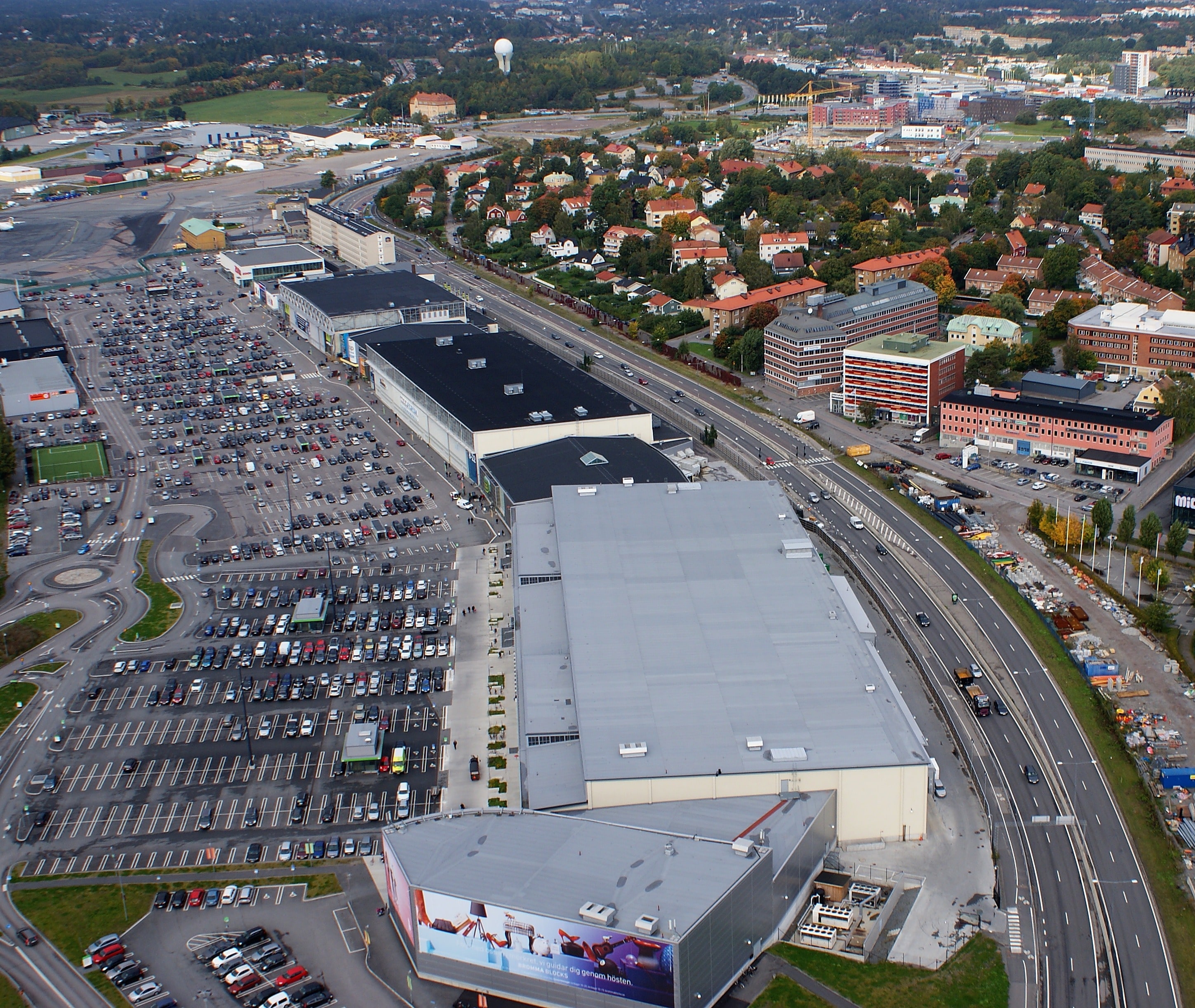
A site for your
next hub.
Send the corridor, the capacity per site and the rollout dates, and Envik comes back with positions that have a connection path.